
The Practical Side of Free Plays: How Users Explore Options, Learn Faster, and Avoid Costly Mistakes
The phrase free plays may sound simple, but user intent behind it is surprisingly layered. Some people want to try before they buy. Others want information without commitment. And many are simply trying to slow things down in an environment that constantly pushes quick decisions.
This article looks at free plays from a practical, user-centered angle. Instead of treating free plays as marketing tools or shortcuts, it explains how they are actually used by thoughtful users to evaluate options, develop awareness, and reduce unnecessary risk.
Who this is for: Readers who want clarity about free plays—what they are, why they exist, and how to use them intelligently without unrealistic expectations.
Free Plays: A Broad but Useful Concept
At their core, free plays are opportunities to interact with content, games, or selections without upfront cost. The exact format changes depending on context, but the function remains consistent: access without pressure.
Free plays may include:
- Free picks or sample selections
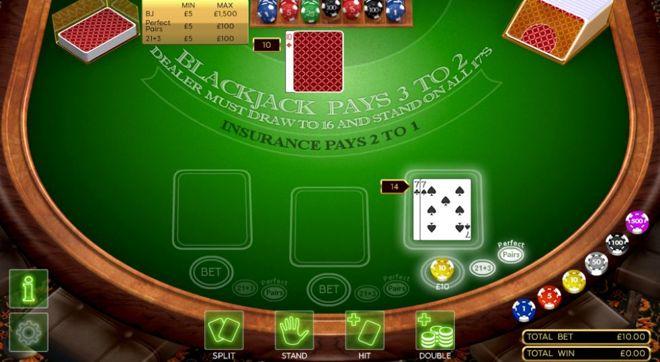
- Demo or practice game modes
- Limited promotional credits
- Preview access to paid features
What matters most is not the format, but the removal of immediate financial commitment.
Why Free Plays Have Become So Common
Modern users are more informed and more cautious than ever. They compare, research, and question claims. Free plays exist because they match this mindset.
From a user perspective, free plays:
- Lower the cost of exploration
- Reduce fear of making wrong choices
- Encourage slower, more thoughtful decisions
- Create space for learning
From a platform perspective, free plays help build trust, reduce churn, and attract better-aligned users.
Free Plays as Decision Filters
One of the most important roles free plays serve is filtering.
Instead of asking “Will this work for me?” after paying, users can answer that question beforehand.
Free plays allow users to filter based on:
- Complexity vs simplicity
- Speed and pacing
- Enjoyment over time
- Personal comfort level
This process saves both time and money.
Learning Happens Faster Without Pressure
Pressure changes behavior. When money is involved, people rush, skip steps, and react emotionally.
Free plays remove that pressure. As a result:
- Mistakes become lessons instead of frustrations
- Patterns are easier to spot
- Attention shifts from outcome to process
- Understanding improves naturally
This is why free plays are often better teachers than paid experiences.
Free Plays Across Different Use Cases
The value of free plays extends across many categories.
Game-Based Free Plays
In games, free plays allow users to learn rules, mechanics, pacing, and difficulty curves without stress.
Pick- or Prediction-Based Free Plays
Free picks help users evaluate logic, consistency, and reasoning before trusting a source.
Feature-Based Free Access
Limited access to premium features allows users to assess usefulness before committing.
How Experienced Users Treat Free Plays
Experienced users rarely chase free plays emotionally. Instead, they observe.
- Is the information clear?
- Is reasoning consistent?
- Does quality remain stable over time?
- Are limitations explained honestly?
This mindset prevents overconfidence and disappointment.
Where Users Commonly Discover Free Plays
Discovery matters. Free plays are most useful when they are well organized.
Centralized Discovery Platforms
Platforms such as freeplays8 help users explore different types of free plays in one place, reducing noise and confusion.
Category-Focused Pages
Structured sections like free plays allow users to browse by intent rather than guess randomly.
Free Plays and Expectation Management
One hidden benefit of free plays is expectation control.
By interacting before paying, users develop realistic expectations about:
- Difficulty or volatility
- Time investment required
- Actual enjoyment level
- Long-term appeal
This reduces regret significantly.
Common Mistakes People Make With Free Plays
- Assuming free means low quality
- Ignoring lessons learned
- Using free plays without clear goals
- Expecting guaranteed outcomes
Free plays are tools. Like any tool, results depend on how they are used.
Free Plays and Responsible Behavior
Free plays naturally support responsible habits.
- They encourage patience
- They reduce impulsive spending
- They highlight personal limits
- They separate entertainment from cost
This makes free plays valuable at every experience level.
Zero-Click Value: Immediate Answers for Users
Clear free plays content often answers key questions instantly:
- What are free plays?
- Why should I use them?
- What can I learn before committing?
Even brief exposure provides clarity and reassurance.
FAQ: Free Plays
Are free plays really useful?
Yes. They reduce risk and improve understanding.
Do free plays behave like paid versions?
In most cases, yes—the main difference is financial exposure.
Are free plays only for beginners?
No. Experienced users rely on them for evaluation and comparison.
Can free plays replace paid experiences?
They replace uncertainty, not always depth or rewards.
Final Thoughts: Free Plays as Smart Exploration
Free plays are not promises or shortcuts. They are opportunities to explore intelligently.
Users who approach free plays with curiosity and patience gain insight, confidence, and control—long before money enters the picture.
In crowded, fast-moving environments, the smartest decisions often begin with something free.