
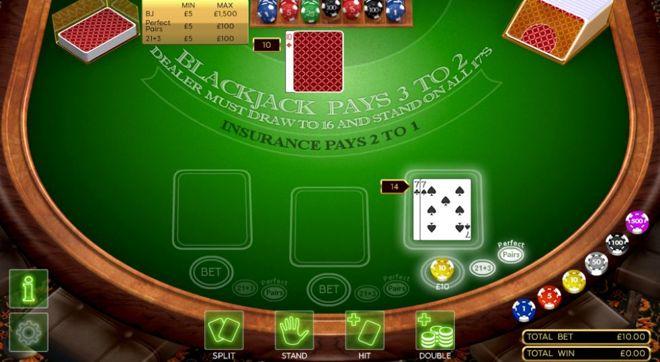
Rethinking Free Plays: How Thoughtful Users Turn Free Access Into Better Long-Term Choices
The term free plays is often treated as a simple promise: try something without paying. But for many experienced users, free plays represent something deeper. They are not about saving money in the short term, but about making smarter decisions over time. In an online environment filled with noise, pressure, and constant calls to “act now,” free plays slow things down.
This article looks at free plays from a strategic, human perspective. Instead of focusing on outcomes or promotions, it explores how free plays help users evaluate quality, understand their own behavior, and avoid the kind of rushed decisions that often lead to regret.
Clear intent: This guide is written for users who want to use free plays as a thinking tool—not a shortcut—and who value clarity over hype.
Free Plays Are About Access, Not Outcomes
One of the most common misunderstandings about free plays is the belief that they are meant to deliver results. In reality, free plays are designed to deliver access.
That access might come in different forms:
- Trying a game or feature without financial commitment
- Reviewing a sample pick or recommendation
- Exploring a platform’s structure and usability
- Understanding how information is presented
When users focus on access rather than outcomes, free plays become far more valuable.
Why Free Plays Appeal to Modern Users
Today’s users are not passive. They compare, question, and test before committing. Free plays align perfectly with this mindset.
Modern users choose free plays because they:
- Reduce decision pressure
- Lower emotional investment
- Allow comparison without bias
- Encourage deliberate pacing
In many cases, free plays are less about saving money and more about protecting attention.
Free Plays as a Quality Filter
One underrated role of free plays is filtering. They help users quickly identify what deserves deeper engagement—and what does not.
Through free plays, users can evaluate:
- Clarity of information
- Consistency of logic
- Ease of navigation
- Overall user experience
This filtering process often prevents wasted time later.
Learning Happens Faster Without Financial Stress
Stress narrows attention. When money is involved, people rush, skip details, and react emotionally. Free plays remove that stress.
Without financial pressure:
- Mistakes feel informative, not frustrating
- Patterns are easier to notice
- Users experiment more honestly
- Understanding develops naturally
This is why many users learn more from free plays than from paid experiences.
Different Types of Free Plays and Their Roles
Not all free plays serve the same purpose. Understanding the type helps set expectations.
Game-Based Free Plays
These allow users to experience gameplay mechanics, pacing, and difficulty without committing money. They are especially useful for learning and comparison.
Information-Based Free Plays
Free picks, previews, or insights help users judge reasoning quality and consistency before trusting a source.
Feature-Limited Free Access
Some platforms offer partial access to premium tools. This helps users decide whether deeper access is actually useful.
How Experienced Users Approach Free Plays
Experienced users rarely chase free plays emotionally. Instead, they observe behavior over time.
- Is the information stable?
- Does the platform explain limitations clearly?
- Is quality consistent, even when results vary?
- Does the experience respect the user’s time?
This mindset transforms free plays into evaluation tools.
Where Users Discover Well-Structured Free Plays
Discovery matters. Free plays are far more useful when they are organized around user intent rather than promotion.
Centralized Discovery Platforms
Platforms such as freeplays8 help users explore multiple free-play formats in one place, reducing confusion and unnecessary searching.
Focused Category Pages
Structured sections like free plays games allow users to browse by interest, making exploration more efficient.
Free Plays and Self-Awareness
One subtle benefit of free plays is self-awareness. Without stakes, users can observe their own reactions.
Free plays reveal:
- What captures attention
- What causes frustration
- How long focus lasts
- When engagement fades
This awareness is often lost in paid environments.
Reducing Long-Term Risk Through Free Plays
Risk is not only financial. Time, focus, and emotional energy are also limited resources.
Free plays reduce long-term risk by:
- Preventing rushed commitments
- Encouraging informed choices
- Highlighting poor matches early
- Supporting responsible engagement
Over time, this leads to better overall experiences.
Common Mistakes People Make With Free Plays
- Expecting guaranteed outcomes
- Ignoring what free play reveals
- Using free plays without clear intent
- Dismissing free plays as “not serious”
Free plays only lose value when they are treated carelessly.
Free Plays and Responsible Engagement
Free plays naturally support responsible behavior. They encourage patience and reflection.
- Users take time to decide
- Expectations stay realistic
- Impulse decisions decrease
- Entertainment stays balanced
This makes free plays relevant at every experience level.
Zero-Click Value: What Users Learn Immediately
Well-structured free plays content often answers key questions at a glance:
- What is being offered?
- Who is it for?
- What can I learn before committing?
Even brief exposure builds trust and understanding.
FAQ: Free Plays
Are free plays really useful?
Yes. They provide access, clarity, and learning without pressure.
Do free plays behave like paid versions?
In most cases, yes. The main difference is financial commitment.
Are free plays only for beginners?
No. Experienced users rely on them for evaluation and comparison.
Can free plays replace paid experiences?
They replace uncertainty, not always depth or rewards.
Final Thoughts: Free Plays as a Thinking Tool
Free plays are not about winning or saving money in the moment. They are about thinking clearly before committing.
Users who treat free plays as evaluation tools gain confidence, reduce regret, and make choices that align with their real preferences.
In fast-moving digital environments, free plays offer something rare: the space to think first.